







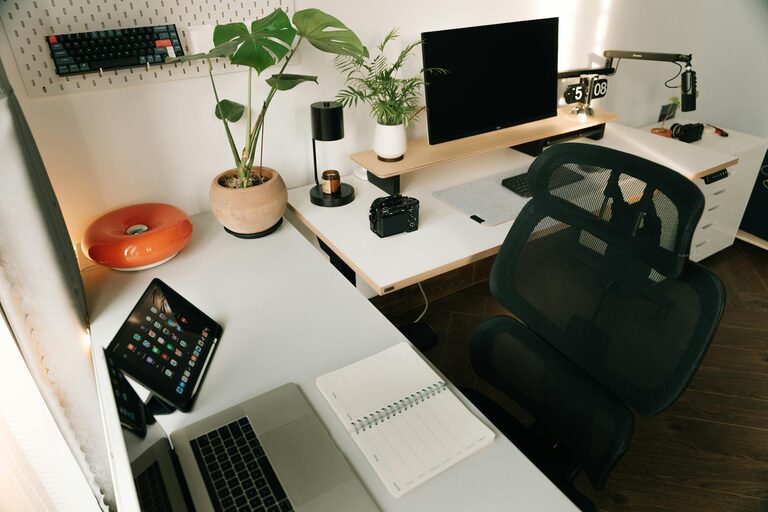
Creating a home workspace that truly supports your productivity can transform the way you work from home. Whether you are freelancing, running a small business, or simply catching up on work tasks, a space tailored to your needs helps maintain focus, comfort, and motivation. This guide will share tips for designing a productive home workspace that fits your lifestyle.
Understand Your Work Needs
Before setting up your workspace, consider the nature of your work. Do you need a lot of desk space for papers and tools, or is your work mostly digital? Are quiet surroundings essential, or do you thrive with background noise?
– List your daily tasks to identify what equipment and supplies are needed nearby.
– Consider technology requirements, such as a reliable internet connection and charging stations.
– Think about storage for documents, gadgets, and stationery to keep clutter to a minimum.
Understanding these needs helps you choose the right location and organise the space efficiently.
Choose the Right Location
Selecting the best spot in your home is crucial for productivity.
– Opt for a quiet area that can be separated from household distractions.
– Natural light is important, so choose a space near windows when possible.
– Consider the room’s temperature and ventilation for comfort throughout the day.
– Make sure the spot has sufficient electrical outlets for your devices.
If space is limited, even a well-designed corner can become an effective workspace.
Focus on Ergonomics and Comfort
Your workspace should support your physical health and comfort to prevent strain and fatigue.
– Invest in an ergonomic chair that provides good back support.
– Choose a desk at a height that allows your forearms to rest parallel to the floor.
– Position your computer screen at eye level to avoid neck strain.
– Use a footrest if your feet don’t comfortably reach the floor.
Comfortable seating and correct posture reduce fatigue, increasing your ability to focus for longer periods.
Personalise Your Workspace
A workspace reflecting your style and preferences can boost motivation and make work more enjoyable.
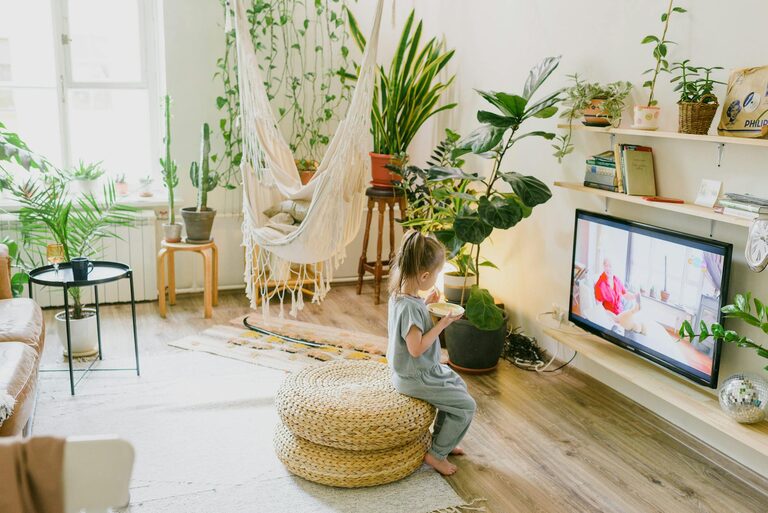
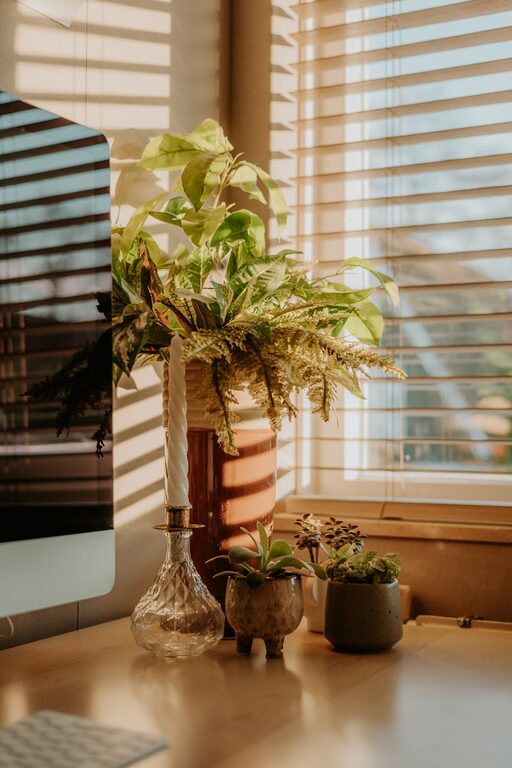
– Add plants to improve air quality and add a touch of nature.
– Use colour accents that inspire or calm you—this could be in accessories, wall art, or organisers.
– Include personal items such as photos or motivational quotes, but keep these minimal to avoid distractions.
Personal touches make the workspace inviting and help maintain a positive mindset.
Optimise Organisation and Storage
A tidy workspace reduces stress and helps you stay on top of your tasks.
– Use storage solutions such as shelves, drawers, and filing systems to keep items organised.
– Declutter regularly, removing unnecessary items and papers.
– Employ cable management tools to prevent wires from tangling.
– Keep essential supplies within easy reach to minimise interruptions.
Organised spaces save time and keep your workflow smooth.
Manage Noise and Distractions
Control noise and interruptions to maintain concentration.
– Use noise-cancelling headphones or play ambient music if background noise is distracting.
– Inform family members or housemates of your working hours to minimise interruptions.
– Use a ‘do not disturb’ sign or close your office door when deep focus is required.
Respecting your workspace boundaries fosters a productive atmosphere.
Establish Good Lighting
Proper lighting can reduce eye strain and improve energy levels.
– Utilise natural light as much as possible.
– Position your desk to avoid glare on your screen.
– Invest in a good quality desk lamp with adjustable brightness for evening or cloudy days.
Good lighting supports alertness and comfort during work hours.
Create a Routine and Workspace Boundaries
Having a consistent routine and clear work-life boundaries helps sustain productivity.
– Set specific work hours and stick to them.
– Start and finish your day with a ritual to signal work time, such as making a cup of tea.
– Avoid using your workspace for non-work activities to separate work from leisure.
Clear boundaries prevent burnout and help maintain a healthy balance.
Tips for Adaptability
Your lifestyle and work requirements might evolve, so flexibility in your workspace is helpful.
– Use furniture on wheels or modular setups to easily reorganise.
– Keep room for dual-use areas, such as combining a workspace with a hobby corner if needed.
– Update technology as necessary to keep up with work demands.
Adapting your workspace over time ensures long-term effectiveness.
—
Creating a home workspace that suits your lifestyle involves thoughtful planning, comfort, and organisation. By considering your work habits, ergonomics, and environment, you can build a productive area that supports your goals and well-being. Remember, the most important aspect is that your workspace feels right for you.